


The following is excerpted from an online article posted by Yahoo
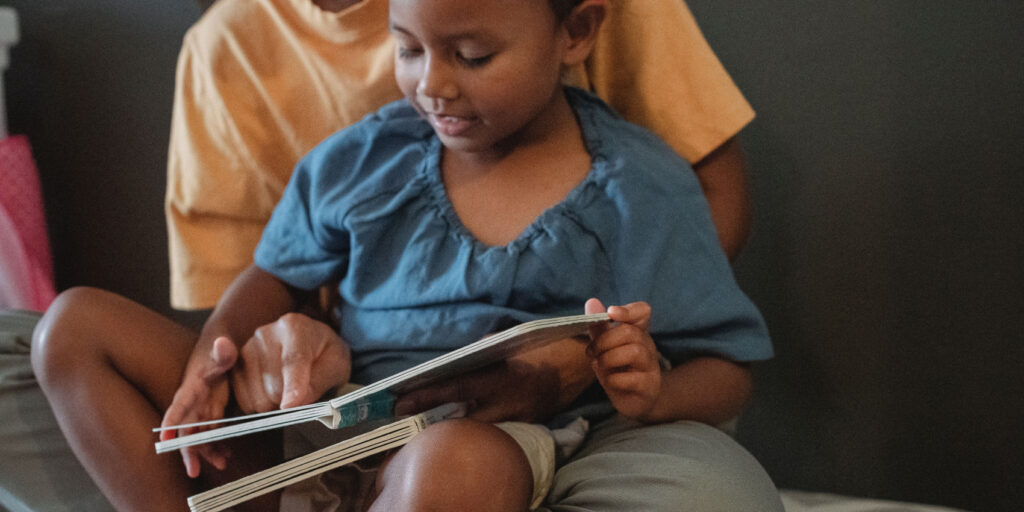
Beyond increased vocabulary, there are numerous other important skills and developmental benefits that result from regularly reading to a child at home. What’s more, literacy professionals say there are some telltale signs when it comes to children who were read to at home and those who were not. Here’s a closer look.
The most apparent differences between a child who’s being read to at home and one who’s not include vocabulary range and comprehension, confidence when tackling unfamiliar words or texts, fluency, attention span and willingness to engage with reading tasks.
Here are some of the other differences that educators observe, according to Calzone:
- Children who have been read to consistently often come to books with more confidence and comfort.
- These children also usually understand how books work: how to hold a book, turn pages, follow a story, look at pictures for clues, and recognize that print carries meaning.
- Children with regular exposure to reading are often more willing to participate in story time at school, make predictions, ask questions, retell parts of the story and connect the book to their own lives.
- They also tend to have stronger oral language skills, broader vocabulary, greater listening stamina and more background knowledge, all of which support later reading comprehension.
“Children who have been read to often see books as familiar, joyful, and meaningful,” added Calzone. “They know that stories can make them laugh, teach them something, comfort them, or help them understand feelings.”
“In preschool and in kindergarten, it’s very easy to see which children were read to at home. These children are the ones who are drawn to the book nook and pick up books to ‘pretend read’ or identify high-frequency words or common words such as ‘I, me, love, mom, dad,’” said Starke. In addition, these children often have strong listening comprehension and are more likely to answer, ask and interpret questions with ease before, during and after reading.
Source: Yahoo
https://www.yahoo.com/lifestyle/articles/teachers-spot-difference-between-kids-110017454.html