


Laine Craft is a very dynamic writer and speaker. This is week two of her two-blog series. You can get more information about her wonderful books and ministry here. And be sure to get your copy of The Beginning of You.
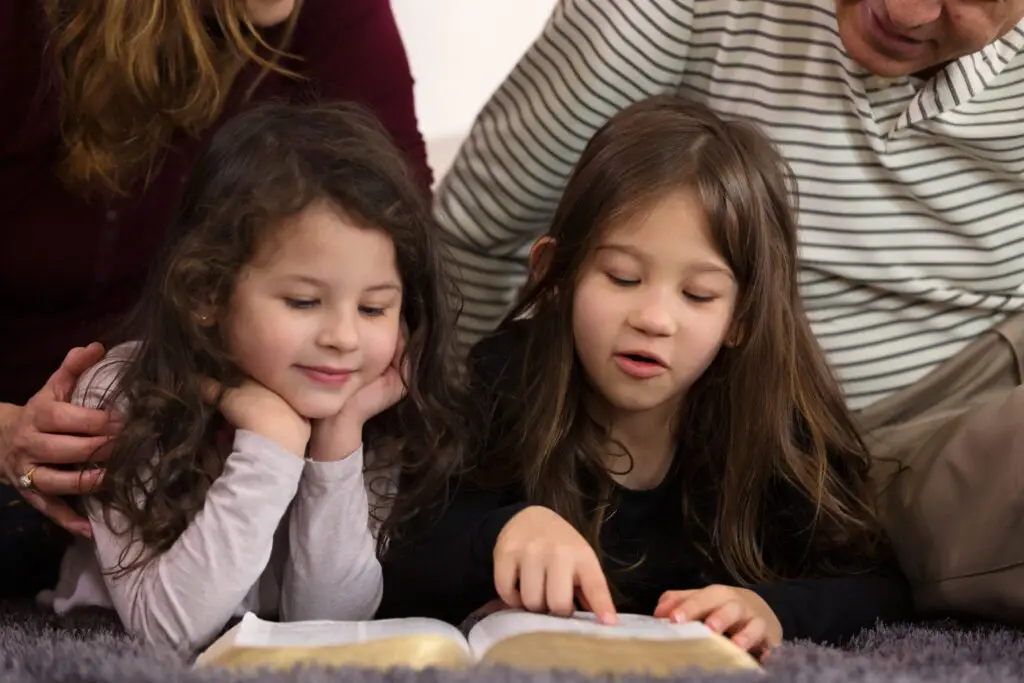
Faith can seem far off when family life moves too fast. Some parents hope their kids meet God face to face, but are still unsure where to begin, wondering what daily moments might truly stick, like sharing prayers during dinner. That question, “What do family devotions even look like?” pops up a lot, especially when life gets hectic.
Here’s something clear: spiritual habits aren’t built on weight or confusion. From the start, God shaped faith as a personal walk, not a flawless performance. As prayer, gathering, shared moments, and reading become part of daily home rhythms, kids see that following God isn’t about isolated moments; it’s about life beside Him.
Families don’t need theology degrees or silent mornings to grow spiritually. Starting now, just showing up with purpose matters most. Simple routines fit easily into daily life. When people choose to include God in routine moments, something quietly begins.
Why Family Faith Habits Matter
Rhythm lifts children up. Much like daily habits near eating or sleeping bring steadiness, steady faith practices root emotions and spirits. Home rituals tied to belief teach kids God fits right into ordinary moments. Trust grows when worship becomes part of regular days.
When kids grow up around prayer, worship, or Bible reading, they begin to see God as someone close by, in places where faith feels warm rather than forced, they link belief to shared moments more than to rules. Such routines do more than pass along facts; they quietly build who they are.
Families find strength through spiritual practices even when times get hard. Because prayer and worship shape everyday moments, people face stress, grief, or confusion with trust rather than panic.
Prayer as a Family Practice
Even quiet thoughts can carry weight when shared. Hearing kids actually say their prayers changes how we see them grow. Words that come naturally often carry the strongest truth.
When kids pray, it might mean offering thanks before dinner, reaching out during tough times, or sharing quiet moments at night. Simple routines built into daily life show them God notices small things, too, not only special events.
When kids get to say their own prayers, confidence grows along with trust. That moment shows that prayer feels more like talking than reciting lines. Slowly, without force, they begin to rely on God simply because it fits how they live.
Worship at Home
Home worship lets kids meet God outside church. When worship songs play during daily moments, even while driving, singing becomes prayer. Simple acts like stopping to thank someone or making space for prayer transform rooms just like that.
Not every note needs to be flawless. What matters is turning to God and offering joy for what He’s done. If kids watch adults truly respond, they begin to understand. That moment stays.
A space shaped by reverence teaches kids how to let go. With screens buzzing everywhere, gathering in one direction brings parents back together.
Family Devotions That Fit Real Life
What keeps family devotion alive? Simplicity. Not loud ceremonies, but quiet routines that stick around. Heavy sessions tend to scare people off. Yet brief times filled with real connection build steady habits.
A short passage of scripture might start things off, then comes a single thought-provoking question. Maybe someone recalls a moment they couldn’t help but share about their beliefs. This kind of moment naturally invites people to talk about faith. The atmosphere during devotion? It works best when it seems open rather than forced.
What counts isn’t just how long you spend together. A few minutes here and there, done again and again, might mean more than one long talk now and then. These tiny times add up, shaping something steady in the way you connect.
Fellowship starts where we live
Kids learn, through fellowship, that belief comes alive when they connect with others. Eating together, talking openly, staying present, these moments show that faith grows best in company. Living faith solo misses the point entirely.
Families show how God’s love works when they choose kindness, let go of grudges, one small act of support after another. From these moments, kids pick up real ways people connect, especially when disagreements come up, not avoided but handled gently.
Families show fellowship in ways that shape how kids see connection and kindness. Growth happens quietly alongside everyday moments.
Practical Ways to Begin
Pick any easy routine to begin side by side
• Keep prayer short and consistent
• Make worship joyful and accessible
• Use devotionals that invite conversation
• Focus on progress, not perfection
Reflection Questions
Which spiritual habit feels most natural for our family right now?
Where might we trim down to build consistency?
What could happen to kids from these routines over time?
Families grow spiritual habits not through rules, but through purpose. In the chaos of ordinary days, that is where God shows up, far from perfect timetables. With quiet regularity, moments of prayer, song, shared joy, and Bible reading take root. Slow consistency shapes inner life, making belief part of meals, walks, and conversations.
When belief takes root through real living instead of force, kids often keep it close. Out of everyday moments comes room for divine presence, quiet talk, quiet shaping. Without notice, ordinary actions build something lasting across time, extending well past the doors of the house and time.