


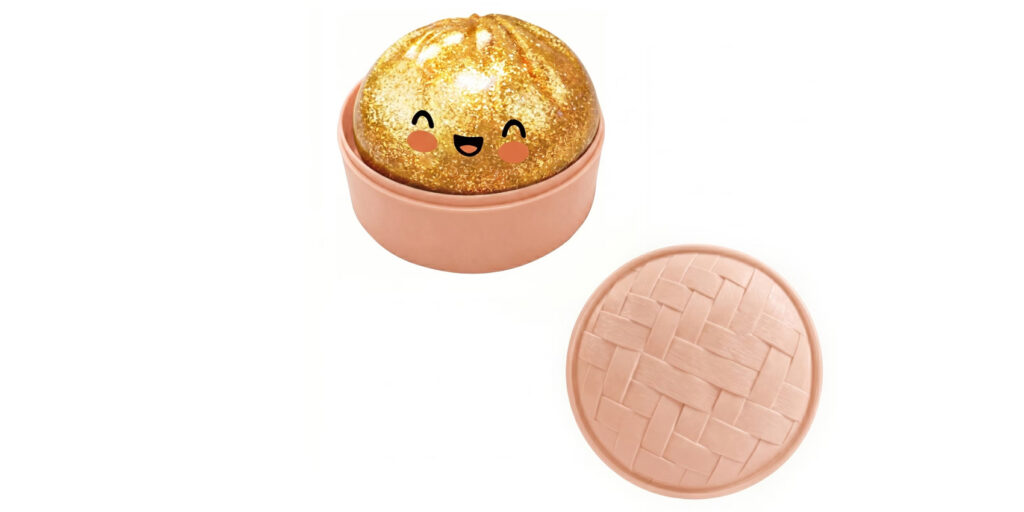
Labubus, “dumpling squishies” and Lego minifigures are examples of small collectible toys sold in “blind boxes.”
Blind boxes are essentially mystery boxes. When you purchase a blind box, you don’t know which specific version of the collectible is inside until you open it. You might purchase a blind box that has a really rare, special figure inside. Or you might end up with a common one you already have five of.
It’s a game of chance.
If you are a parent of kids who love blind boxes, you might be worried about how the game of luck echoes gambling.
Blind boxes tap into the same neurological pathways that make gambling so compelling, and dopamine plays a central role.
Dopamine is most known for its role in short-term pleasure, and the boost we get from things such as eating tasty foods, scrolling social media or winning a prize. Chasing this boost means dopamine can amplify both harmful and helpful behavior.
The goal isn’t to scare kids (or parents), but to help them make healthy, informed choices.
This might mean deciding on a simple rule together. For example, parents might encourage children to use a set portion of their pocket money. When limits are agreed on in advance, you’re not “being mean” in the moment, you’re just following the plan you made together.
Disappointment is part of the learning, too.
When they don’t get the “rare” one, it can be tempting to soften the frustration by buying “just one more.” Instead, naming the feeling (“It’s so annoying when you were really hoping for that one”) and sitting with it together helps kids practice tolerating disappointment without immediately chasing the next thing.
Source: MedicalXpress
https://medicalxpress.com/news/2026-07-game-chance-kids.html