


The following is excerpted from an online article posted by Parents
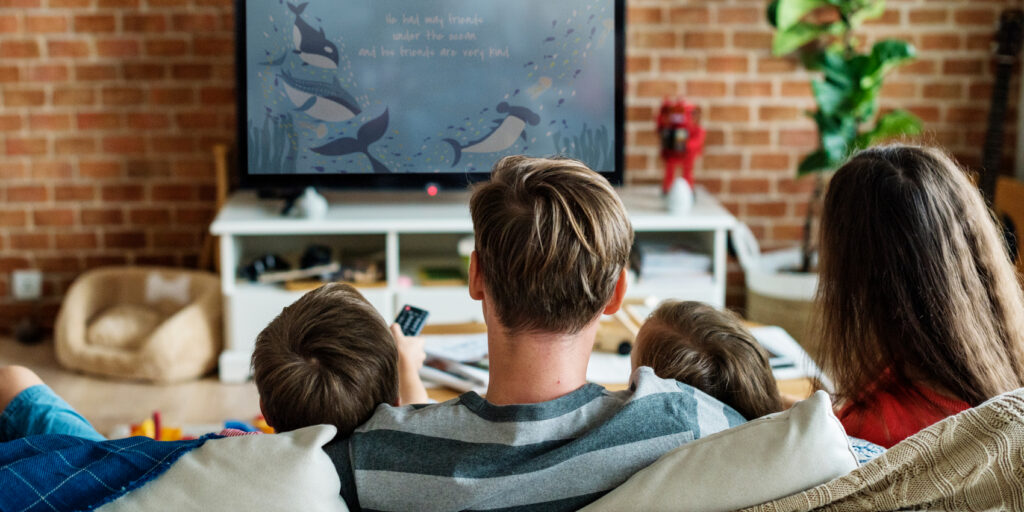
Growing up in the ‘90s, my family had a sacred Friday night ritual. There was no DVR, no pause button, no second screen on someone’s lap, or in their hand. At 8:00 p.m. sharp, we gathered on the living room couch, armed with post-dinner snacks, to watch ABC’s two-hour “TGIF” sitcom block. We laughed, we occasionally cried, and above all, we actually talked to each other. While the lineup shifted over the years, the shows we loved and connected to most included Full House, Boy Meets World, Step by Step, Just the Ten of Us, Sabrina the Teenage Witch, and Sister, Sister. They were more than just entertainment; those shows served as weekly windows into our own lives.
The loss of appointment viewing hasn’t just changed how we watch TV. It’s changed how families connect.
In 2026, parents spend a lot of time worrying about screen time. But we often forget that how we view screens matters as much as how much we watch. Boersma always tells parents that not all screen time is created equal, and co-viewing is practically the opposite of the mindless scrolling we worry about. “Solo device time is centrifugal. It spins each kid off into a separate, algorithm-tuned world,” she explains. “Co-viewing is centripetal. It pulls everyone back to one couch, one story, one shared set of inside jokes. The content matters far less than the togetherness around it.”
That distinction becomes essential during upper elementary and middle school, which is the exact age kids naturally begin to pull away. “A designated family show is genius for this age precisely because it asks nothing of them emotionally. There’s no ‘Let’s talk about your feelings,’ which a 12-year-old will flee from. There’s just a standing, low-pressure invitation to belong,” says Boersma. “They can roll their eyes at the corny jokes and still be there, every week, absorbing the message that this family shows up together on purpose. For a kid quietly wondering if they still fit at home, that ritual is an anchor.”
The trick is to recreate the constraint, not the old technology. Pick one night and one show to watch as a family in real time. Just one episode a week, with no binging ahead of schedule. “The scarcity is the point. Add the small rituals that turn a show into an event: the same snacks, everyone in pajamas, phones in a basket by the door,” suggests Boersma. “You are not really recreating a TV lineup. You’re recreating anticipation, and anticipation is what makes that night feel like a holiday.”